
Digital marketing is entering a new phase. The tactics that worked reliably just a few years ago are no longer enough. In 2026, growth will not come from more tools, more channels, or more spend. It will come from clarity, data, and execution.
Search is changing. Paid media is becoming more automated. Customers expect relevance at every touchpoint. At the same time, businesses are under pressure to prove return on investment faster and more clearly than ever.
So what will actually drive growth in digital marketing in 2026?
AI Driven Discovery Will Replace Traditional Search Behaviour
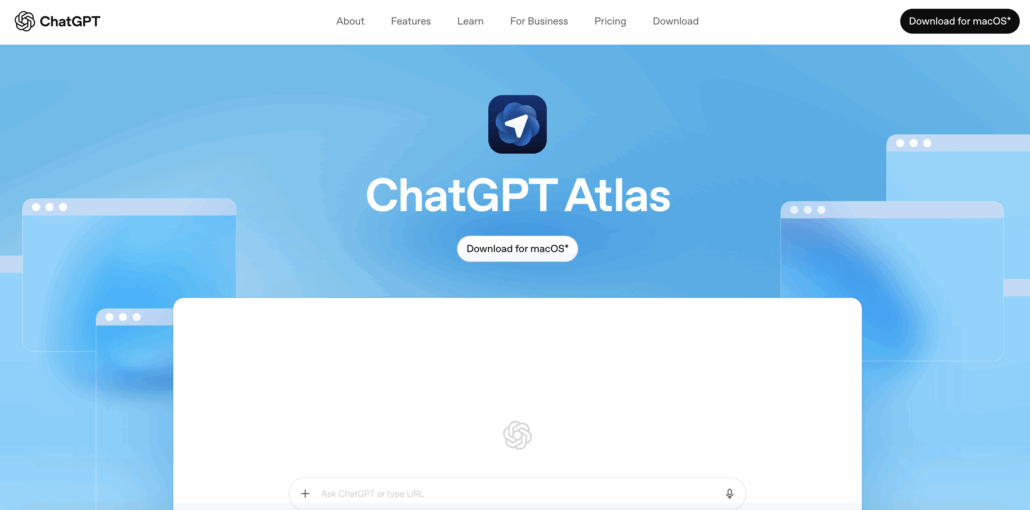
Search is no longer just about ranking on Google. AI powered interfaces like ChatGPT, Google AI Overviews, and agent based browsers are changing how users discover brands.
Instead of clicking through ten blue links, users increasingly expect a single answer, recommendation, or shortlist. This shifts visibility from traditional rankings to being selected by AI systems.
In 2026, brands that win will be those that structure content clearly, demonstrate authority, and provide machine readable signals that AI systems trust. This is where Generative Engine Optimisation becomes critical.
SEO will still matter, but not in isolation. Content quality, schema, topical authority, and real world signals will determine whether your brand is surfaced or ignored.
Paid Media Will Be Less Manual and More Strategic
Paid advertising is not going away. In fact, it will become more important. But the role of humans will change.
Platforms like Google Ads and Meta are pushing deeper into automation. Bidding, targeting, and creative selection are increasingly handled by algorithms. Trying to fight that trend usually leads to worse performance.
In 2026, growth will come from strategic inputs rather than manual tweaks. Clear conversion signals. Strong first party data. High quality creatives. Clean account structures.
Brands that understand how to guide algorithms rather than control them will see stronger results. Those that rely on outdated tactics will struggle to scale efficiently.
Conversion Rate Optimisation Will Matter More Than Traffic
Traffic alone is no longer a growth strategy. In competitive markets, acquiring clicks is expensive. Improving what happens after the click is where the real leverage sits.
In 2026, CRO will move from a nice to have to a core growth discipline. Businesses will focus more on user journeys, friction removal, trust signals, and speed.
This includes landing pages built for intent, not just design. Clear messaging. Faster load times. Better forms. Smarter follow ups.
Even small improvements in conversion rates can significantly improve profitability when ad costs rise. Brands that ignore CRO will pay more for the same results.
First Party Data Will Be a Competitive Advantage
Privacy changes have already reduced the effectiveness of third party tracking. By 2026, first party data will be the foundation of digital marketing.
Businesses that own their data will outperform those that rent it. Email lists. CRM data. Customer behaviour. Purchase history.
This data will power better targeting, smarter automation, and more relevant messaging. It will also feed AI systems with stronger signals to optimise campaigns.
Growth will favour brands that invest early in clean data infrastructure and use it responsibly.
Automation Will Shape the Entire Funnel
Marketing in 2026 will not be a series of disconnected tactics. It will be a system.
Automation will connect ads, landing pages, email, CRM, and reporting into one flow. Leads will be routed faster. Follow ups will be smarter. Reporting will be clearer.
This does not mean removing humans from the process. It means freeing teams from repetitive tasks so they can focus on strategy and improvement.
Brands that build efficient marketing systems will move faster and scale with less friction.
Trust and Credibility Will Influence Performance
As AI and automation increase, trust becomes more important, not less.
Users are more cautious. They look for proof. Reviews. Case studies. Clear messaging. Consistency across channels.
In 2026, performance marketing will reward brands that invest in credibility alongside conversion. This includes transparent offers, clear positioning, and strong brand signals.
Growth will not come from tricks. It will come from trust.
Where Mass Reach Fits Into the 2026 Landscape
At Mass Reach, we see these shifts already happening across eCommerce and B2B brands.
Our focus is not on chasing every new tool or trend. It is on building performance systems that adapt as platforms evolve. Paid media guided by data. SEO aligned with AI discovery. CRO that improves efficiency. Automation that removes friction.
As digital marketing moves into 2026, the brands that win will be those that simplify, focus on fundamentals, and use technology with intention.
Growth will not come from doing more. It will come from doing the right things better.
Final Thoughts
Digital marketing in 2026 will reward clarity over complexity. Strategy over tactics. Systems over silos.
The question is no longer which channel you should use. It is whether your marketing is built to adapt to how people actually discover, decide, and convert today.
Those who prepare now will lead. Those who wait will follow.